
The 10 Rarest Flowers in the World
Most of the flowers we know and love — the rose, the tulip, the peony, the lily — are commonplace because they have been cultivated and propagated for centuries by gardeners and growers who wanted exactly that: beautiful, available, reliable blooms. But there are flowers on the other side of that line. Plants so rare in nature, so difficult to cultivate, so brief in their flowering, that most humans will never see one in person. This is a guide to the ten rarest flowers on Earth — some critically endangered, some bloom for a single night every decade, some that disappeared for centuries before reappearing. Each is a reminder of what nature is capable of when it is left alone.

1. Middlemist Red Camellia
Where it lives: Two known plants on Earth. One in a greenhouse in Chiswick, England; one in a New Zealand garden. Why it's rare: Originally brought from China in 1804, the Middlemist Red is believed to be extinct in its native habitat. The two surviving plants are descended from cuttings.
What makes it remarkable: The deep pink-red blooms photograph almost like silk roses. The plants flower reliably each spring — it is the only reason they survive at all.
2. Corpse Flower (Amorphophallus titanum)
Where it lives: Native to the rainforests of Sumatra. A handful exist in botanical gardens worldwide. Why it's rare: Blooms only once every 7 to 10 years, and the bloom lasts only 24 to 48 hours.
What makes it remarkable: The largest unbranched flower structure in the plant kingdom — individual blooms can reach ten feet tall. The smell, which gave the flower its name, is that of decaying flesh — evolved to attract carrion-loving pollinators. Botanical gardens broadcast live cameras when a corpse flower bloom is imminent.
3. Kadupul Flower (Epiphyllum oxypetalum)
Where it lives: Native to Sri Lanka and parts of South America. Why it's rare: The flower blooms only at night, opens for a few hours, and dies before sunrise. The plant cannot be commercially picked or sold — it simply does not survive cutting.
What makes it remarkable: The Kadupul is considered the most expensive flower in the world to acquire — not because it is sold for a high price, but because it cannot be bought at all. The bloom is intensely fragrant, ethereal, and seen by very few people in any given year.
4. Ghost Orchid (Dendrophylax lindenii)
Where it lives: The swamps of southern Florida, Cuba, and the Bahamas. Why it's rare: The orchid has no leaves. Its roots photosynthesize, anchored to specific host trees. The plant is critically endangered due to habitat loss.
What makes it remarkable: The bloom appears to float in midair, with no visible stem or leaves — hence "ghost." Pollination depends on a single moth species. The combination has made the ghost orchid a holy grail among orchid hunters for two centuries.
5. Jade Vine (Strongylodon macrobotrys)
Where it lives: Native to the Philippines, increasingly rare in the wild. Why it's rare: Pollinated almost exclusively by bats. As the bat population declines, the plant struggles to reproduce.
What makes it remarkable: The color. Jade vine blooms in a shade of blue-green that does not appear in any other commonly known flower — it looks almost artificial, like jewelry. The flowers hang in long cascades from the vine.
6. Chocolate Cosmos (Cosmos atrosanguineus)
Where it lives: Originally native to Mexico, where it is now extinct in the wild. Why it's rare: Cultivated clones still exist but the wild population is gone. All living chocolate cosmos are essentially copies of a single genetic line.
What makes it remarkable: The flower smells of dark chocolate, particularly on warm days. The deep burgundy color and chocolate scent together make it one of the most evocative flowers in cultivation.
7. Black Bat Flower (Tacca chantrieri)
Where it lives: Native to tropical regions of Southeast Asia. Why it's rare: Difficult to cultivate; requires specific humidity, shade, and temperature conditions.
What makes it remarkable: The flower looks exactly like its name — a black bat in mid-flight, with whisker-like filaments trailing as long as two feet from the bloom. Among the most visually unusual flowers known.
8. Parrot's Beak (Lotus berthelotii)
Where it lives: Originally native to the Canary Islands. Why it's rare: Believed extinct in the wild since 1884. Possibly the only flowering plant whose natural pollinator went extinct before the plant itself — nectar-eating birds that no longer exist.
What makes it remarkable: Brilliant red-orange beak-shaped flowers. Surviving cultivated plants are propagated entirely through cuttings.
9. Yellow and Purple Lady's Slipper Orchid (Cypripedium calceolus)
Where it lives: Once widespread across Europe, now extremely rare. A single wild specimen survives in the UK under 24-hour police guard. Why it's rare: Habitat loss + collection by orchid enthusiasts in the 19th century reduced the population to near-extinction.
What makes it remarkable: The bright yellow pouch-shaped "slipper" sits below dramatic purple petals. The fact that a single plant has its own security detail is its own commentary on the value of rare flowers.
10. Franklin Tree (Franklinia alatamaha)
Where it lives: Extinct in the wild since the early 1800s. All living examples descend from seeds collected by William Bartram in Georgia in 1773. Why it's rare: The wild population was lost to fungal disease and habitat destruction.
What makes it remarkable: The fragrant white camellia-like flowers are beautiful, but the tree's story is more striking than its bloom. Every Franklin Tree on Earth today is descended from the seeds Bartram collected. Without him, the species would be entirely gone.

What rare flowers tell us about the common ones
The flowers that fill the world's bouquets — roses, peonies, tulips, ranunculus, lilies — are common precisely because they responded to human cultivation. They tolerate cutting, transport, and arrangement. They bloom on schedule. They reproduce reliably. This is not a small thing. The flowers we send and receive are, in their way, the result of thousands of years of patient horticultural attention. They are common because we have spent millennia making them common.
The rare flowers on this list — the ghost orchid that pollinates by a single moth, the chocolate cosmos that smells of cocoa, the kadupul that blooms for one night — are reminders of what flowering plants actually do when left to their own design. They are also reminders of how fragile beauty can be when the conditions that produced it disappear.
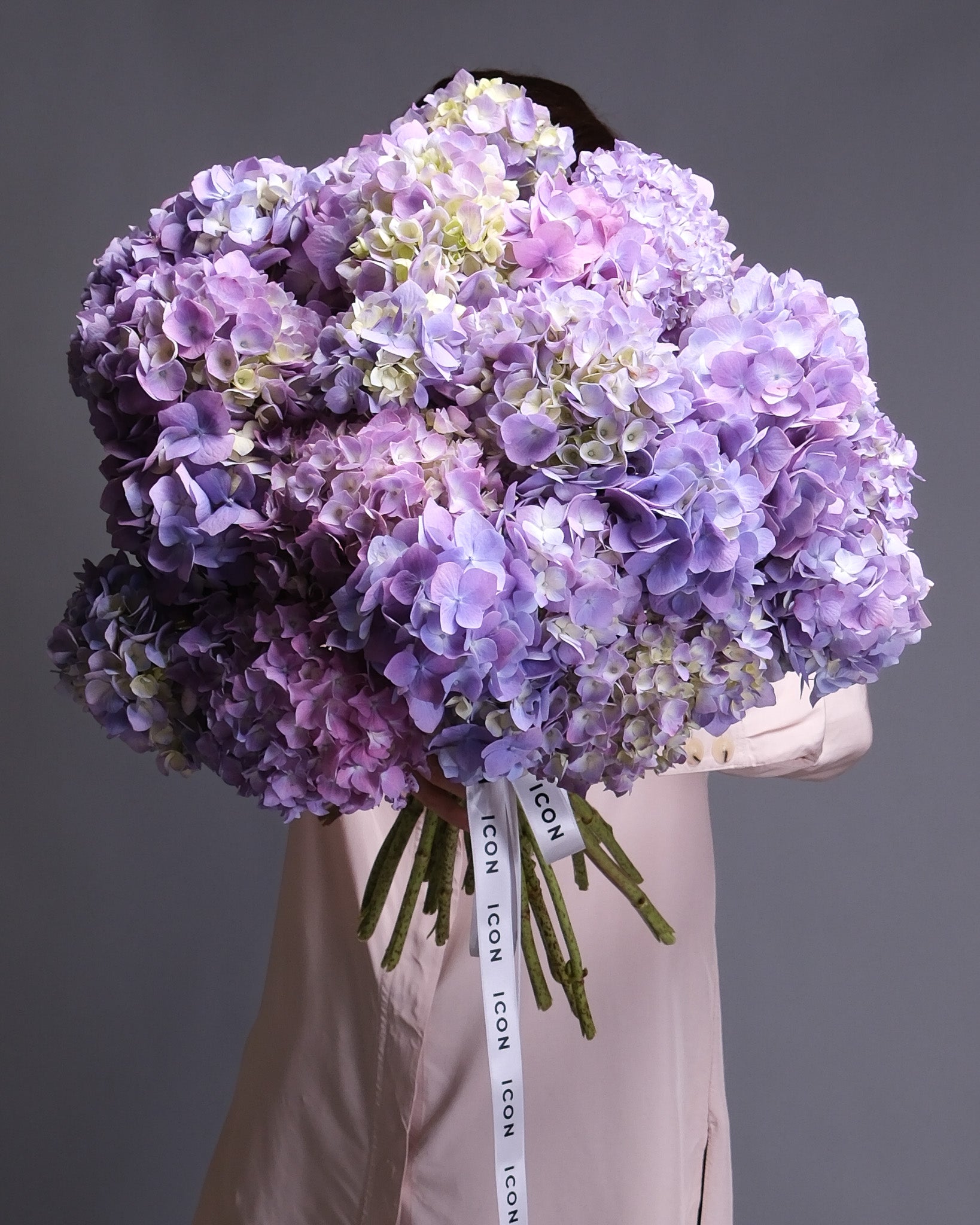
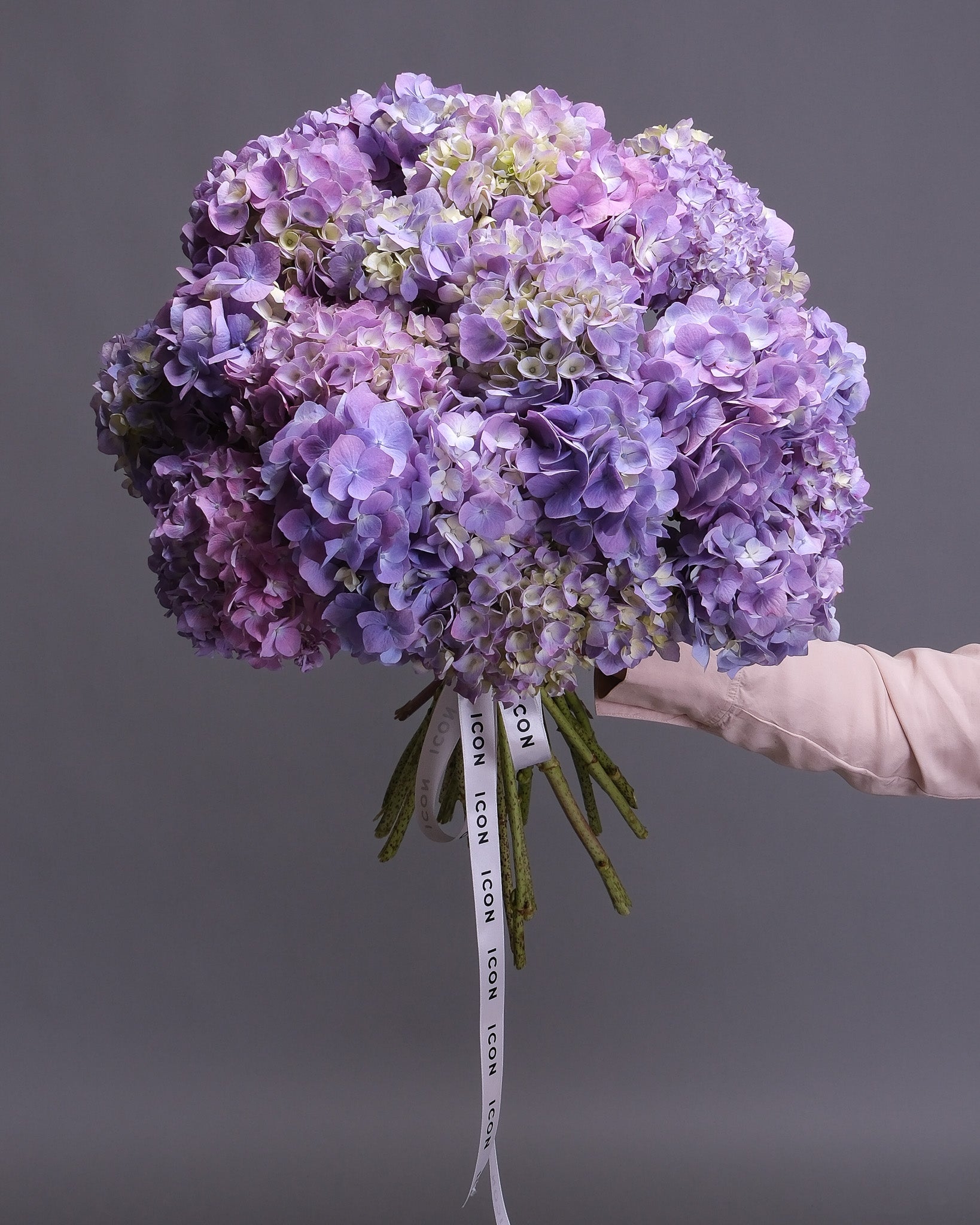
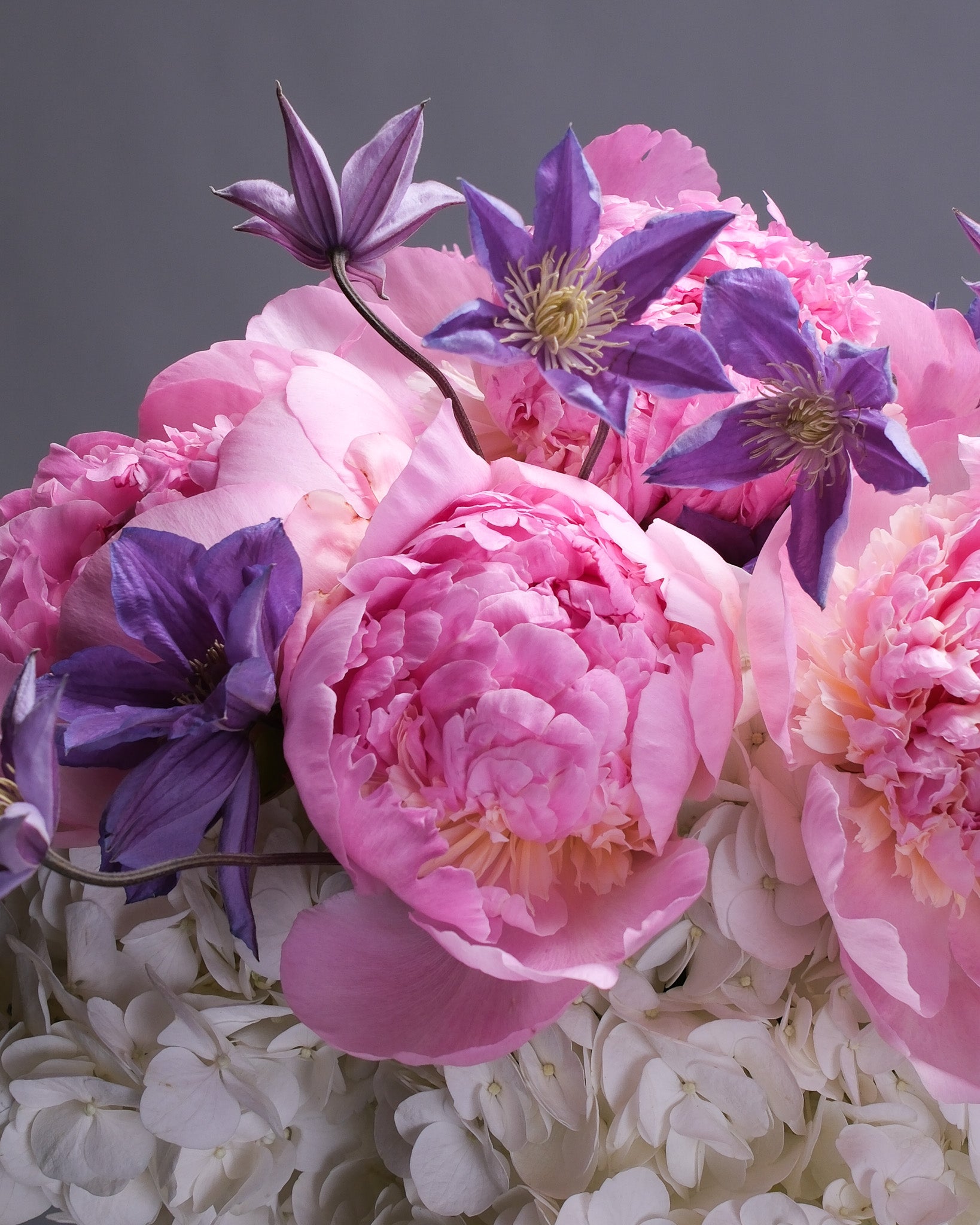
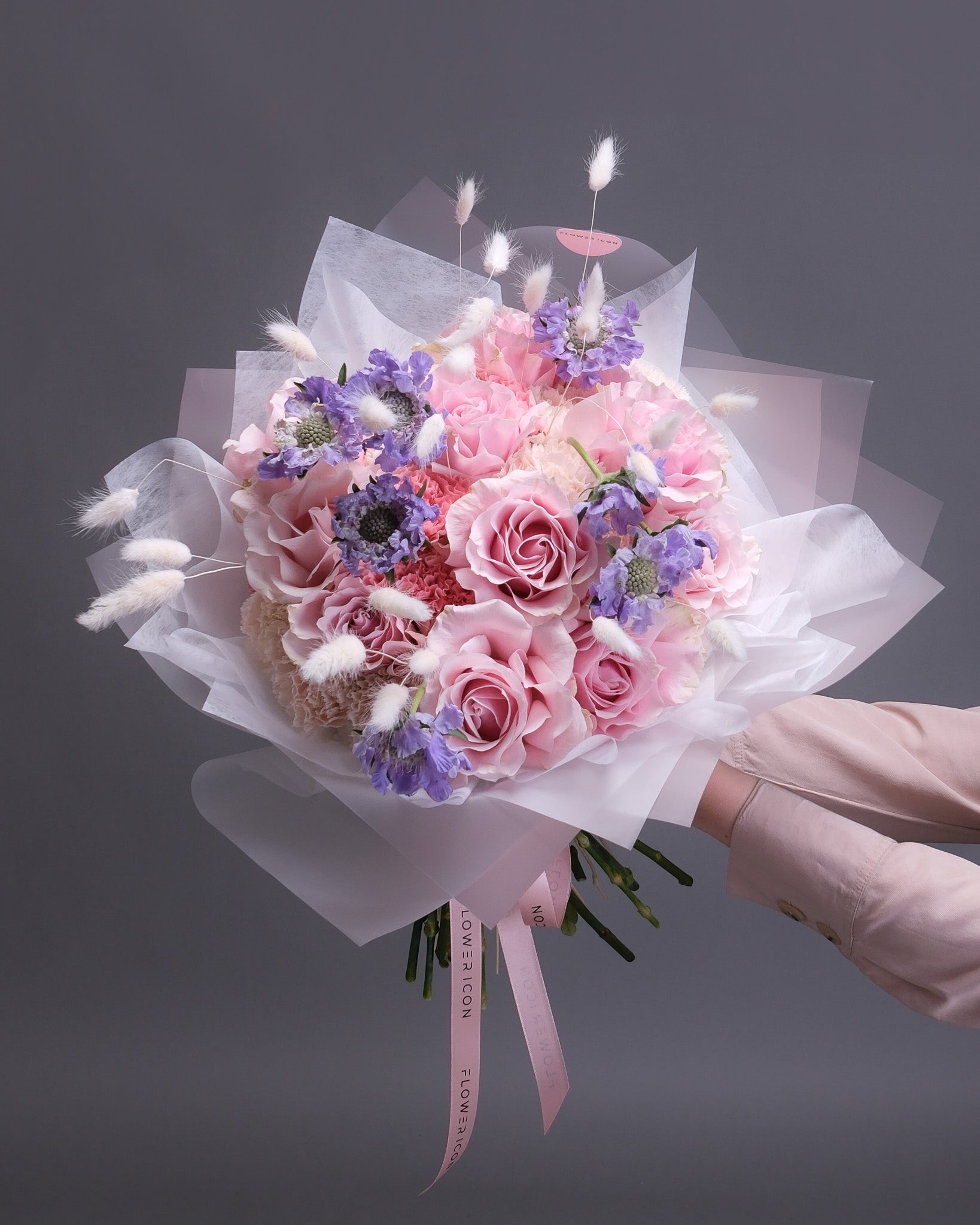
For most occasions, the beloved common flowers do the work. For more on the flowers that make up the everyday luxury bouquet, our complete guide to bouquet styles and our flower symbolism guide cover the language and use of the cultivated luxury florals available today.
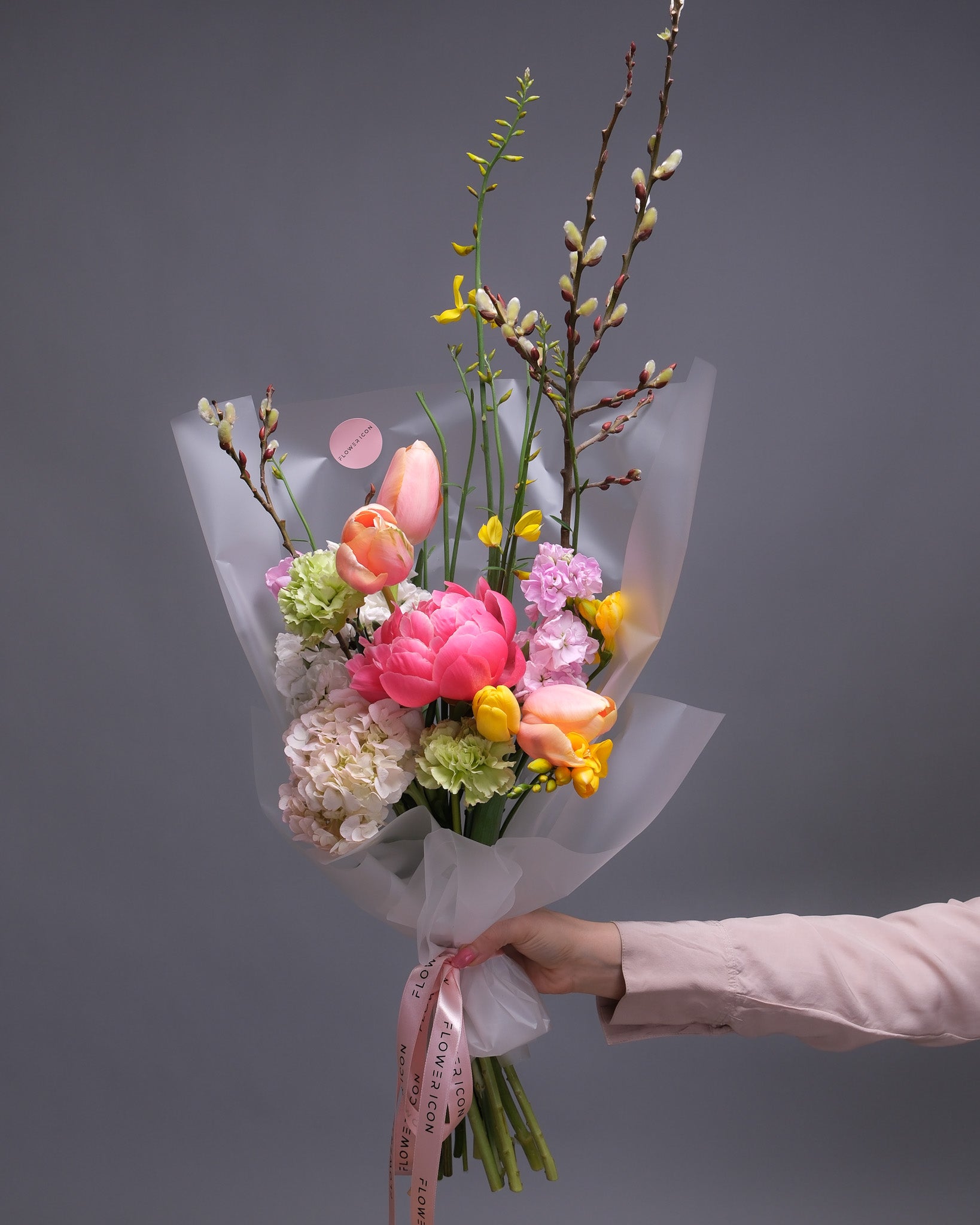
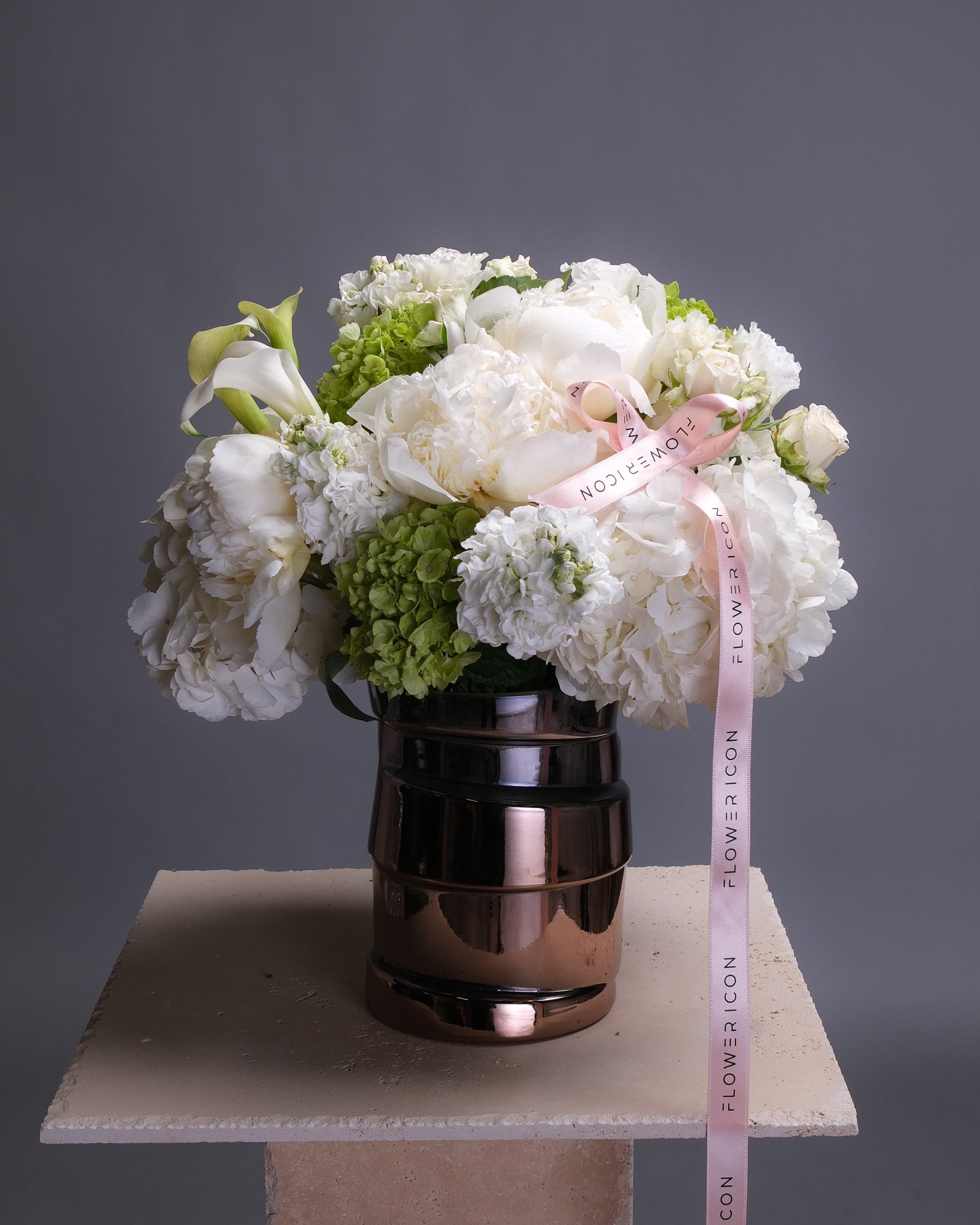
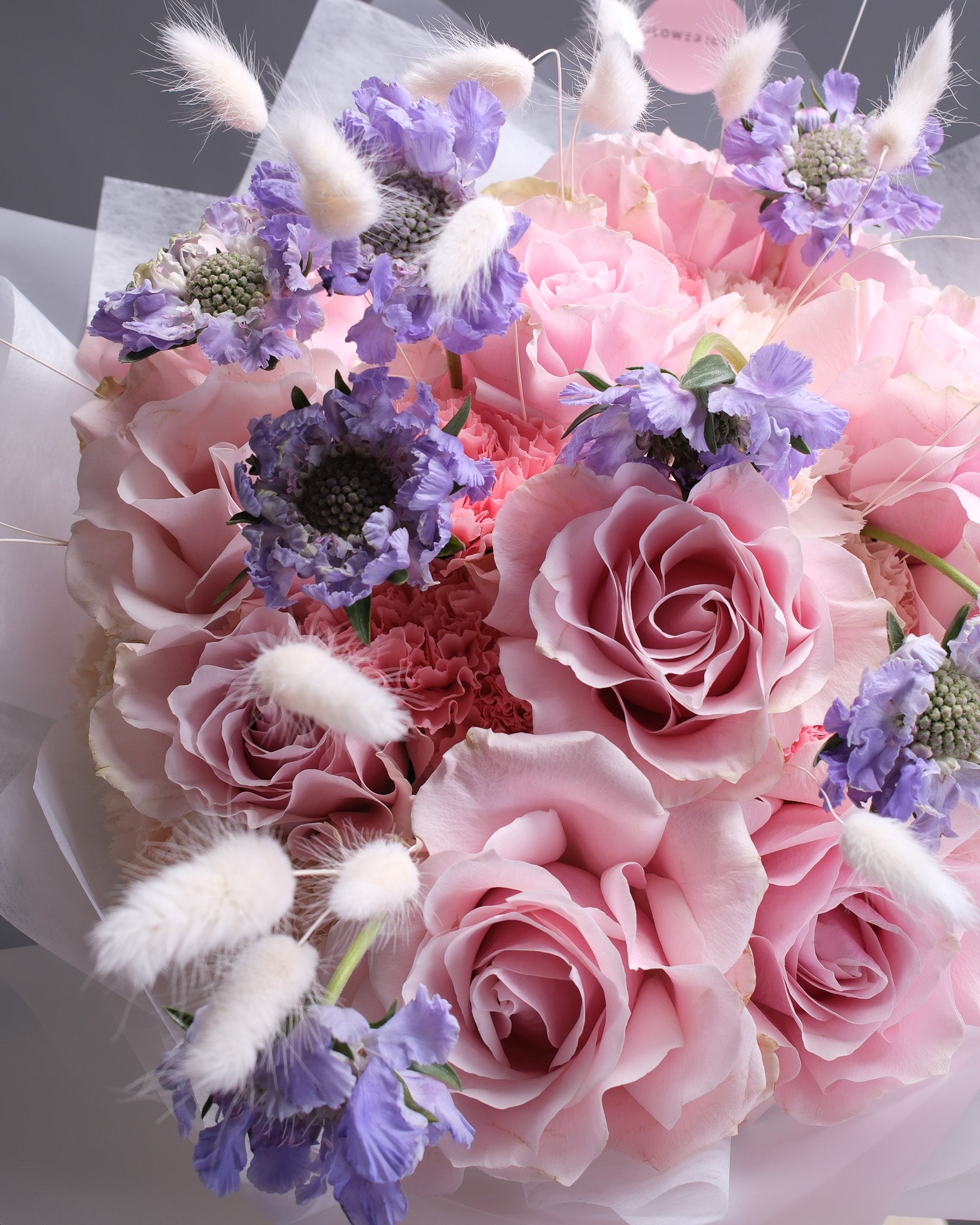
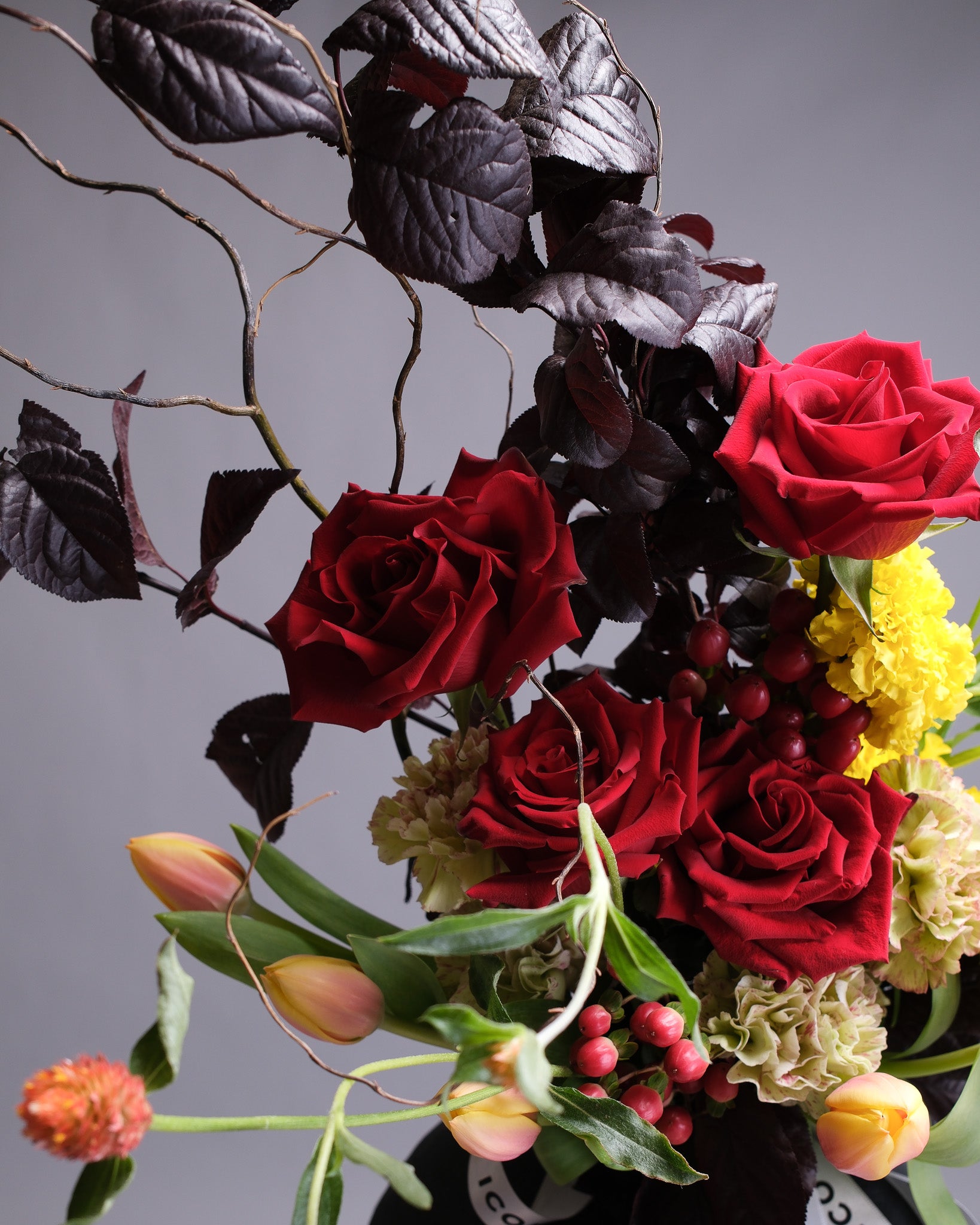
And for arrangements built around some of the most beautiful of those everyday flowers, our hand-arranged collection showcases what a luxury florist can do with the flowers that are, fortunately, still abundant.
Sending a luxury bouquet in San Francisco? Flower Icon's same-day delivery features the most beautiful of the world's common flowers — garden roses, peonies in season, ranunculus, sweet peas — arranged with the discipline of designer floral work.
Shop fresh flowers and luxury bouquet of flowers at Flower Icon, and enjoy same-day flower delivery in San Francisco&Bay Area—send the perfect flower bouquet for any occasion.





Luxury flower delivery across San Francisco and the Bay Area
Flower Icon designs every arrangement in our SoMa studio in San Francisco and delivers same-day across San Francisco, the Peninsula, East Bay, Marin, Silicon Valley, and Wine Country — anywhere within 45 miles of downtown SF. Order by 4pm PT for same-day delivery on eligible arrangements.
Browse same-day delivery · See all flowers · Delivery information